Complete kits eliminate guesswork. The best beginner kits include the pen, wood, tips, and learning resources so you’re burning by day two.
Key takeaways
- A complete kit saves hundreds: buying pen + tips + wood + patterns separately costs more and forces you to source reliability yourself
- Wire-nib systems (YIHUA, WEP) recover heat instantly and cover area faster; solid-point pens (Walnut Hollow, KERNOWO) offer precise temperature control
- The YIHUA 939-II dual-pen station wins for versatility; Walnut Hollow for true budget learners
- Avoid kits with too many tips and too little guidance. 5-10 good tips matter more than 30 mediocre ones bundled to inflate the box.
Pyrography isn’t hard, but starting with the wrong kit makes it frustrating. A complete beginner kit removes the decisions and lets you focus on learning the craft, not hunting for supplies.
A good kit pairs a reliable pen with basswood (the standard learning wood), replacement tips, and wood squares ready to burn. You should be able to open the box, follow a simple project, and have finished work in an hour. Understanding what each tip does and how to swap them safely is essential, so check out our guide to tips and nibs once your kit arrives.
The lineup, compared
| Included | Pen type | Skill fit | Value | |
|---|---|---|---|---|
| YIHUA 939-II Dual-Pen Station Two-pen system with digital display | 2 pens, digital control, 30 tips, stand, accessories | Wire-nib, digital 25-750°C | Intermediate+ (grows with you) | Highest versatility |
| WEP 939D-II 86-Piece Kit Multi-pen variety pack | Multiple pens, 86 wire-nib tips, wood squares, carrying case | Wire-nib, variable heat | Intermediate | Maximum tip selection |
| Walnut Hollow Deluxe Burning Set Classic solid-point entry | Pen, 3 tips, wood pieces, patterns, stand | Solid-point, fixed temperature | True beginner | Best budget option |
| K KERNOWO 17-Piece Starter Kit Solid-point beginner set | Pen, 17 tips, wood squares, stencils, patterns | Solid-point, variable heat | Beginner to intermediate | Affordable solid-point entry |
Best Wire-Nib Station: YIHUA 939-II

- Adjustable 250–750°C via control knob
- 20 nibs — skew, wire & shader
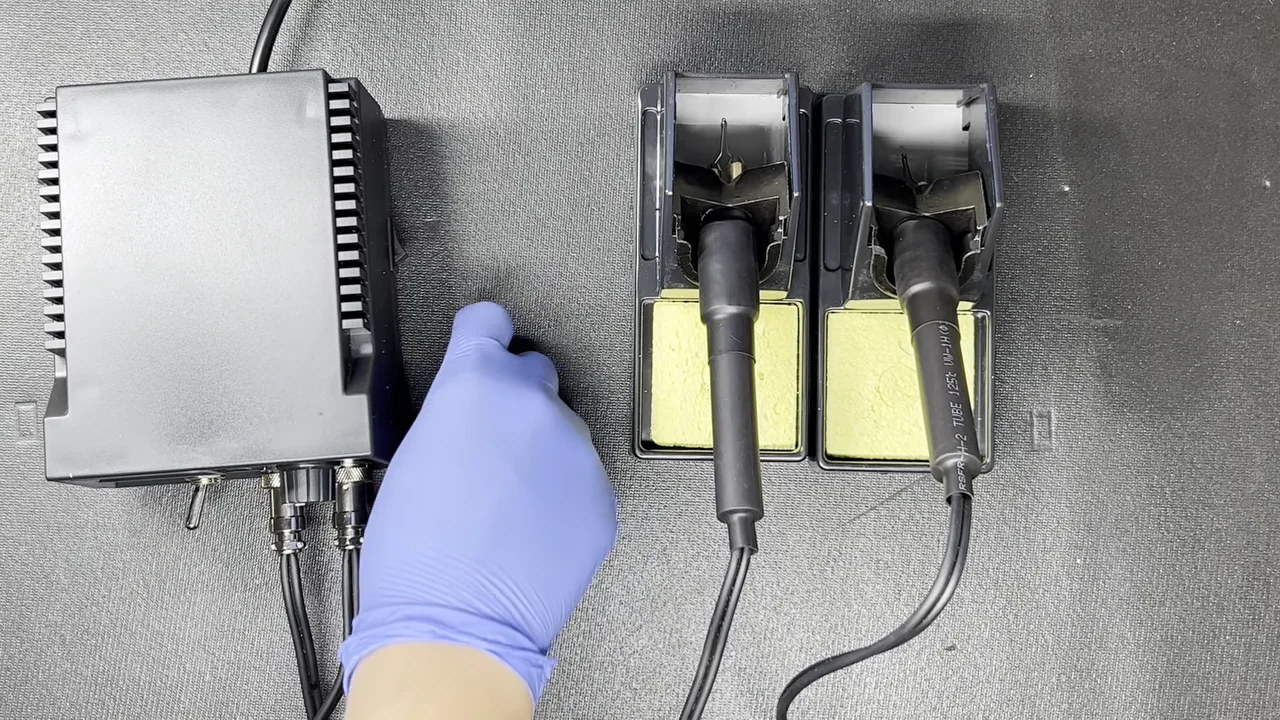
- Station design with stable pen holder
Top pick
Pros
- Two-pen system means one stays setup for detail while you swap the other for shading
- Digital temperature display removes guesswork; you see exactly what you’re burning at
- 30 interchangeable wire-nib tips cover everything from fine detail to bold shading
- Wire-nib pens recover heat instantly, letting you work quickly across large areas
- Fast learning curve for area coverage and speed-based techniques
- Grows with you through intermediate and advanced work
Cons
- More investment than basic solid-point options
- Wire-nib tips require regular cleaning and eventual replacement
- Digital display adds complexity compared to analog dial controls
The YIHUA 939-II is built for speed and versatility. If you want to cover large areas quickly and work with a system that scales with you, this station removes the frustration of constant tip-swapping. The two separate pens mean you can keep one set to fine detail while the other handles shading, cutting your setup time significantly.
Best Versatile Multi-Pen: WEP 939D-II 86-Piece Kit

- Two pens: solid-point + wire-nib
- 86-in-1 — 51 solid tips + 20 wire nibs
- Digital display, 200–480 / 250–750°C
Maximum variety
WEP 939D-II 86-Piece Pyrography Kit
Pros
- 86 tips means you can experiment with shapes you’ll never outgrow
- Multiple pens in the kit mean pre-set configurations for different work styles
- Carrying case keeps everything organized and protects tips
- Includes stencils and patterns to accelerate learning
- Wire-nib speed suits intermediate and advanced project work
Cons
- 86 tips can feel overwhelming as a beginner; you’ll use maybe 10-15 regularly
- More specialized pens than basic beginner kits
- Wire-nib pens require regular maintenance and tip replacement over time
The WEP 939D-II is for learners who want zero limitations on experimentation. With 86 tips and multiple pens, you’re buying the flexibility to try nearly every wire-nib shape without waiting for replacements. By month three you’ll have narrowed it down to your favorites, but this kit gives you permission to explore without limits.
Best Budget Beginner Kit: Walnut Hollow Deluxe Burning Set
Budget friendly
Walnut Hollow Deluxe Burning Set
Pros
- True entry-level pricing; no financial risk if pyrography doesn’t stick
- Everything you need to start is in the box; no additional purchases required
- Solid-point pen is safe for beginners; lower temperature means less scorching
- Simple on-off switch means zero setup confusion
- Replacement tips are cheap and widely available
- Lightweight, easy to control for a first tool
- Wood squares and basic patterns included
Cons
- No temperature control; one heat setting for everything limits what you can explore
- Fixed temperature means slower learning for fine detail and shading variation
- 3 tips is limiting; you’ll want more by month two
- Construction won’t survive heavy use beyond year one of hobby-level burning
Start here if you’re genuinely unsure about pyrography. Many people burn 30-50 pieces on a Walnut Hollow before upgrading. After 2-3 months of regular use, you’ll know exactly what you want in a next kit. This is honest equipment: limited but reliable.
Best Solid-Point Starter: K KERNOWO 17-Piece Kit

- 17-in-1, adjustable temperature
- 14 interchangeable tips
- Heat-shield + soft rubber grip
Affordable solid-point
K KERNOWO 17-Piece Starter Kit
Pros
- 17 tips gives good variety without overwhelming; more than Walnut Hollow, fewer than massive sets
- Variable temperature control allows you to adjust heat for different wood and techniques
- Includes stencils and patterns to guide your early projects
- Solid-point design teaches fine control from the start
- Mid-range price between budget and professional options
- Wood squares included so you can start immediately
Cons
- Single pen only; no dual-pen convenience like the YIHUA
- Slower heat-up than wire-nib systems
- Requires steadier hand control than beginner-focused fixed-temp pens
- Solid-point limits speed for broad area coverage
This kit bridges the gap between bare-bones entry (Walnut Hollow) and premium systems. If you want solid-point control without the premium price tag and already know you’re serious about the craft, KERNOWO offers 17 useful tips and variable heat for learning a wide range of techniques.
Safety first: All pyrography pens reach temperatures that cause instant burns. Never touch the tip. Use the stand provided and keep it within arm’s reach. Ventilate your workspace; wood smoke contains toxic compounds. These tools demand respect and basic safety awareness.
The verdict
The verdict
If you want the most versatility, the YIHUA 939-II dual-pen station wins. Two pens, digital control, and 30 tips carry you through your first year. If you’re testing the craft on a strict budget, Walnut Hollow is honest equipment that teaches the fundamentals. For solid-point learners in the middle ground, KERNOWO offers 17 tips and variable heat at a fair price. Pick the kit that matches your budget and learning style, then master it for 2-3 months before upgrading.
Related buying guides: the best wood burning pens · the best wood to burn on · the best pyrography books.
Common questions
Is a kit or separate pen + supplies better?
Kits are better for beginners. A kit bundles items that actually work together; buying separately leaves you guessing about tip compatibility, wood grain, and heat settings. By month three when you know your preferences, buy individual upgrades.
What wood should I start with?
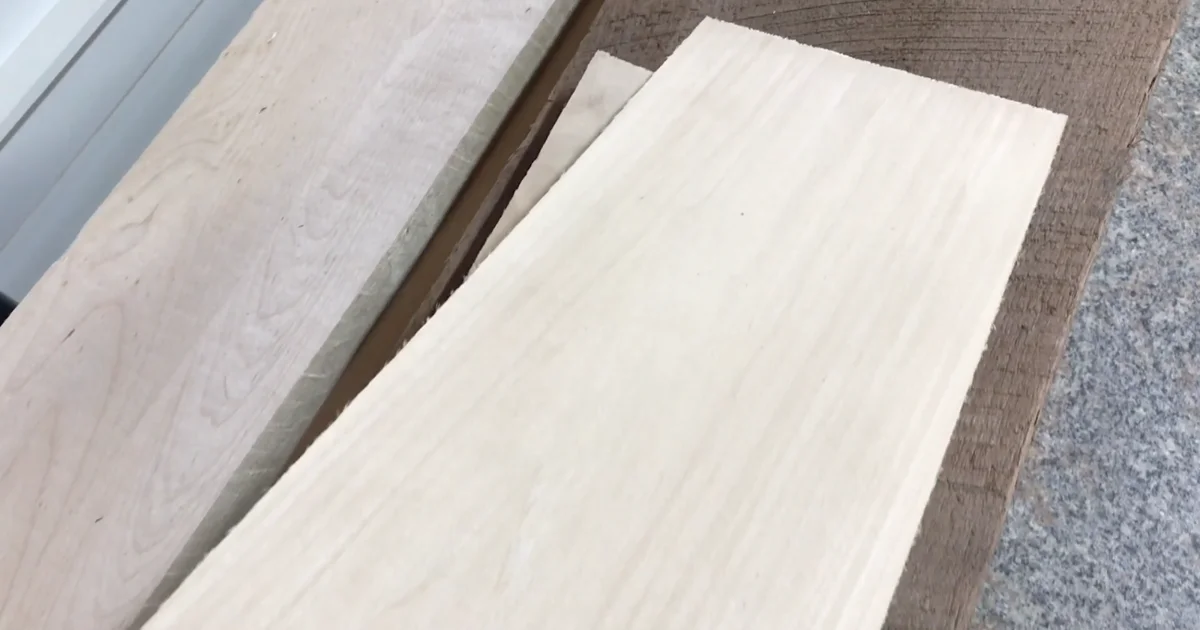
Basswood. It’s soft, forgiving, takes detail well, and is consistent. All kits listed include basswood. Oak is harder and requires technique you develop later. Birch is okay by month two. Avoid hardwoods initially.
What’s in the box matters more than what marketing claims. Avoid kits with 50+ tips bundled in. Quantity is marketing; quality matters. A kit with 30 mediocre tips is worse than 5 good ones because bad tips waste wood and teach wrong technique. Look for kits with 5-10 quality tips selected for beginner work, not bulk padding.
Tip quality matters far more than quantity.
Do I need to buy extra wood immediately?
No. Use the included squares first. By month three when you’ve burned through those, you’ll know which wood you prefer. Then buy 25-50 squares of that type. This prevents expensive waste on woods you end up disliking.
How long will a kit last?
The pen lasts years if cared for. Tips wear with normal use. Wood squares are consumable; expect to buy more by month two. Budget for ongoing wood and replacement tips after the initial kit purchase.