Why thermal protection beats regret
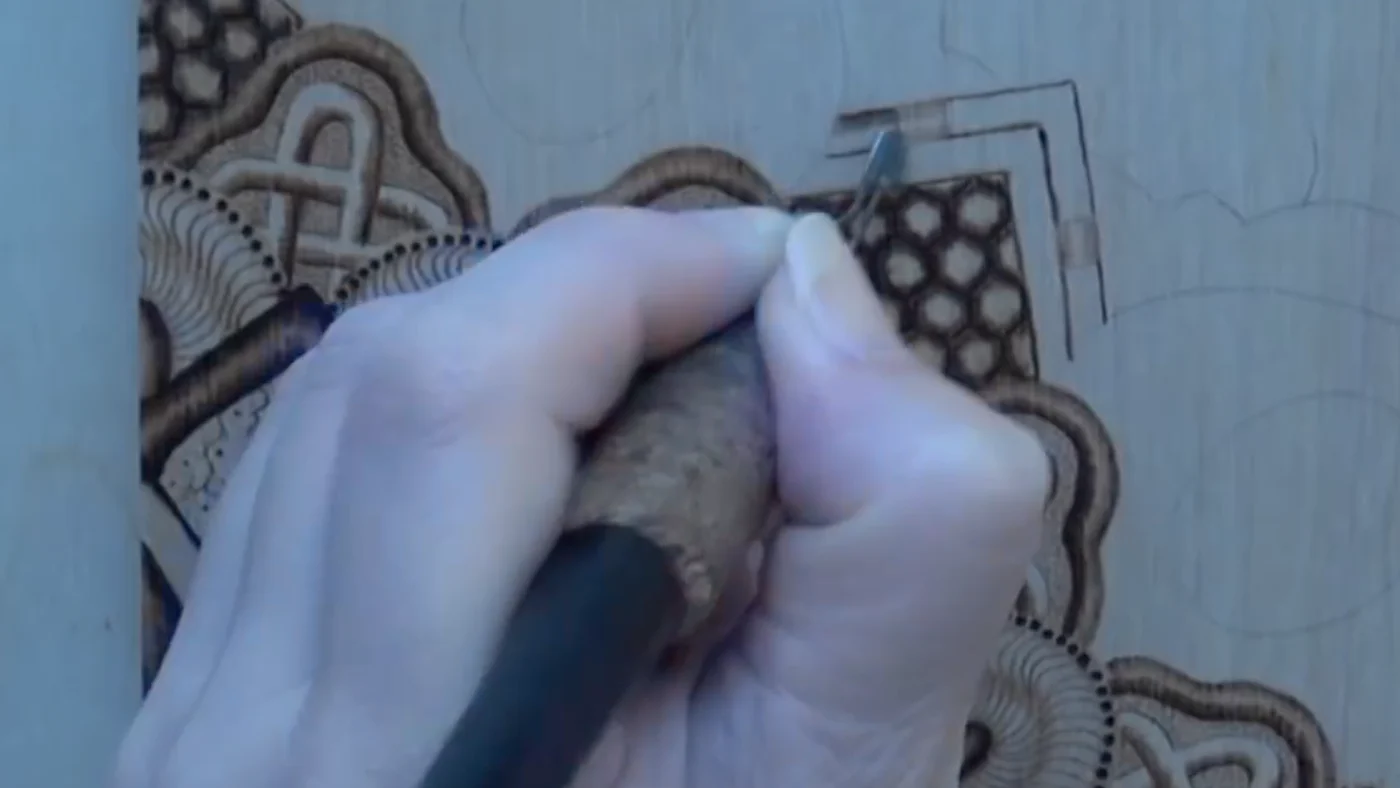
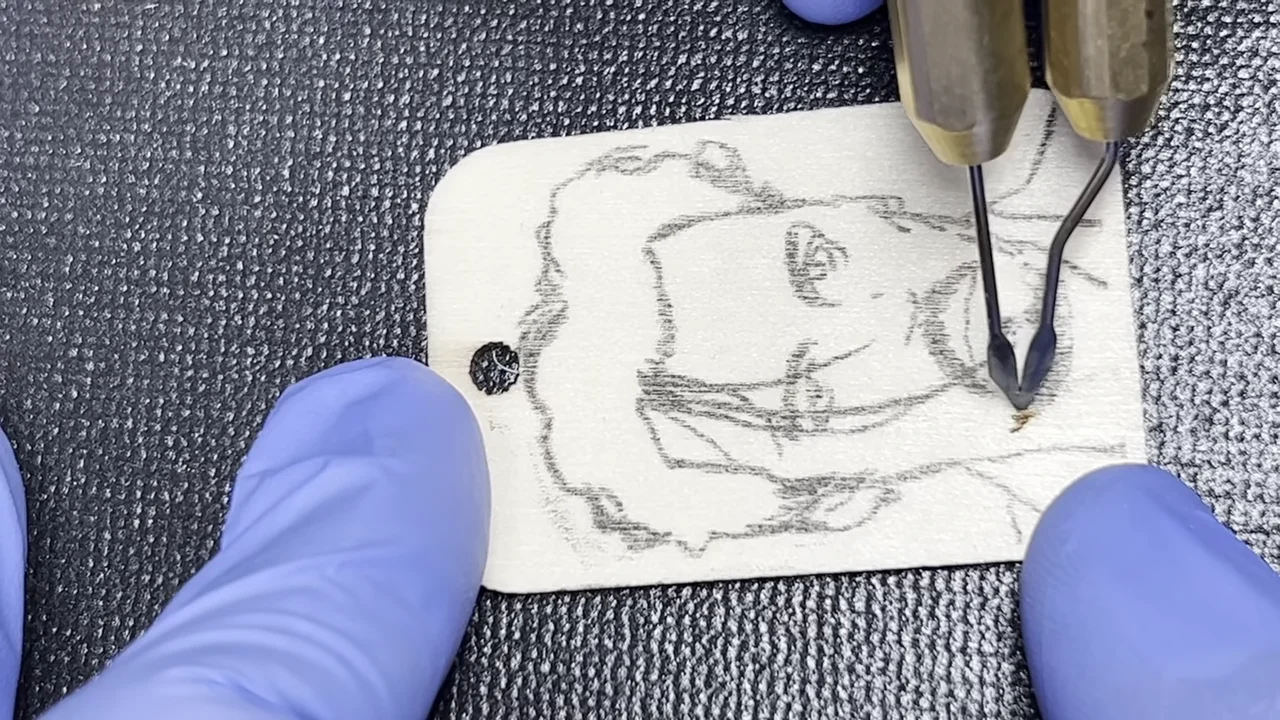
A wood burning pen heats to 400°F or higher. In seconds, a slip transfers that heat to your fingertips. Heat-resistant gloves and finger guards are non-negotiable, not optional nice-to-haves. Silicone finger caps and heat shields let you work with precision and confidence instead of white-knuckling a tool you’re terrified of dropping.
Smoke and volatile compounds rise from the work as you burn, especially on softwoods and treated materials. Even in a ventilated space, you’re inhaling particulates and fumes. Safety glasses protect your eyes from ash and airborne debris while you’re focused on detail work at close range.
Heat-resistant finger guards and shields
Heat-resistant finger guards wrap around individual fingers or your whole hand, creating a barrier without sacrificing grip or dexterity. The best ones are thin enough to feel the pen’s balance but thick enough to stop accidental contact from raising a blister.

JATAI makes welding-grade heat shields (available through their finger guard set) that slip over individual fingers and stay in place during long sessions. SINGER offers a more traditional heat-resistant glove for your non-dominant hand if you’re holding wood steady with one hand and burning with the other.
Silicone finger caps: cheap, effective, replaceable
Silicone finger caps (like the Mr. Pen set) cost next to nothing and come in packs so you can replace worn ones without thinking twice. They compress slightly under heat, cooling your skin rather than just sitting on top. They’re loose enough not to restrict blood flow and won’t slip off mid-stroke.
Safety glasses matter when ash flies
Any polycarbonate safety glasses rated for impact protection work. The point is a clear barrier between your eyes and ash particles, wood splinters, and the occasional smoldering ember that pops off the piece. Wear them even if you think you won’t look at the burner directly—focused work near a heat source means your eyes are closer than they would be normally.
Ventilation and smoke management
Work near a window or under a fume extractor if your setup allows it. Even better: a small USB fan pointed at the burning area pulls smoke and fumes down and away from your face. If you’re working indoors with no ventilation, at least step outside every 20 minutes to clear your lungs. The fumes aren’t lethal in short bursts, but chronic exposure adds up.
Heat mats protect your work surface and your hands
A silicone or cork heat mat under your wood keeps the piece from sliding and protects the table from scorch marks. It also gives you a safe surface if you need to set the hot pen down for a second. Never put a 400°F tool directly on wood or fabric where it can sit and burn through.
Getting started safely is straightforward. Guard your fingers, cover your eyes, manage the smoke, and you can focus on the work instead of worrying about injury. For a deeper dive into pyrography fundamentals, check out our beginner’s guide and read more about common safety concerns with different pen types.
The wood matters as much as the mask — see which woods are safe to burn.